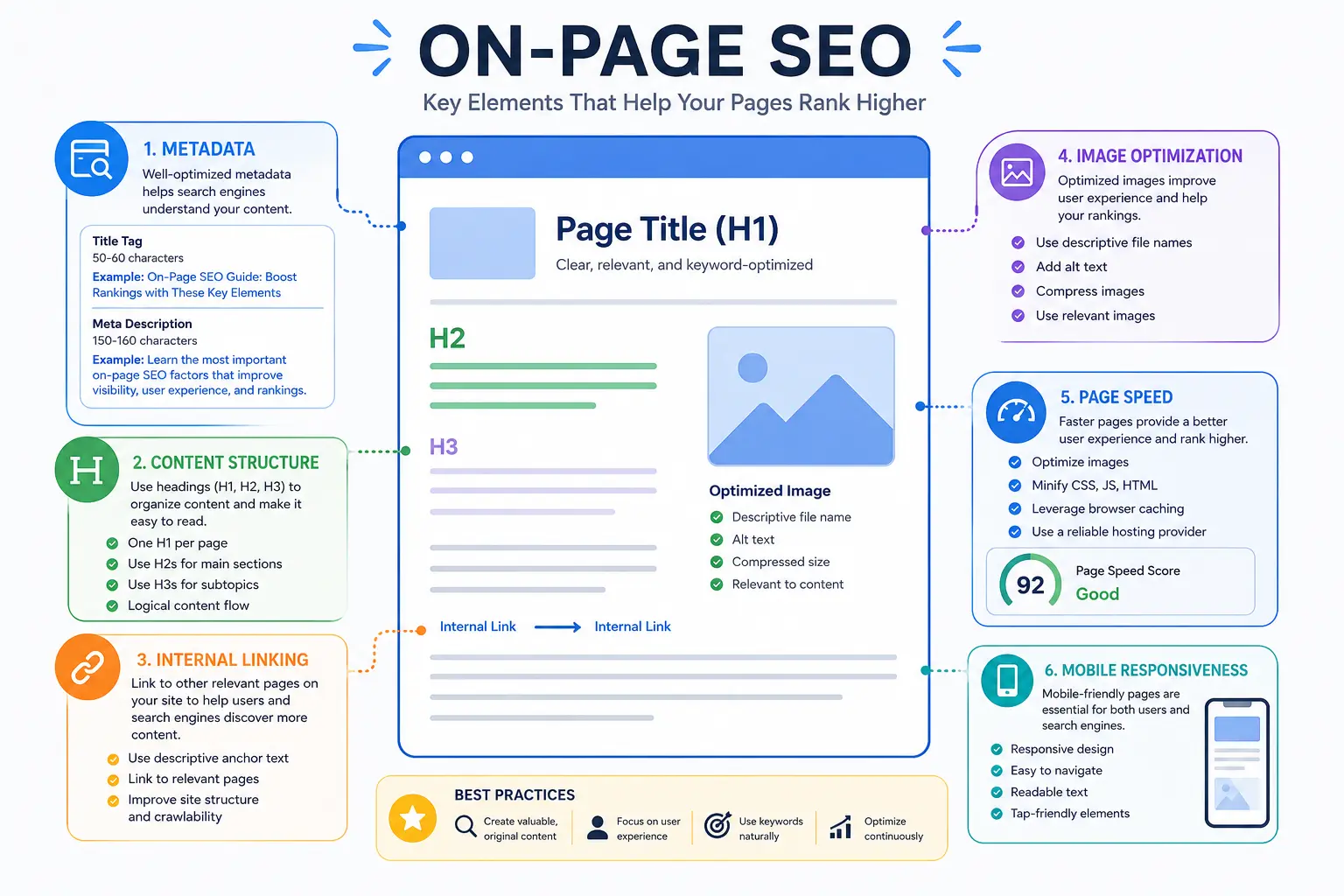
Internal Link Strategy How Smart Website Connections Improve SEO and User Experience
A strong website rarely succeeds because of individual pages alone. What usually separates high-performing sites from stagnant ones is how well their content connects beneath the surface. That’s where the internal link becomes a foundational SEO asset. Search engines use internal links to understand relationships between pages, discover important content, and evaluate site structure. Readers rely on them to navigate naturally, explore related topics, and stay engaged longer. When internal linking is handled strategically, it quietly improves rankings, crawlability, authority distribution, and user retention — without requiring new content every week. What Is an Internal Link? An internal link is a hyperlink that points from one page on a website to another page on the same domain. Examples include: For example: These links help users and search engines move through your website logically. Why Internal Linking Matters for SEO Many websites focus heavily on backlinks while underestimating the power of internal structure. That’s a costly mistake. A thoughtful internal linking SEO strategy helps search engines: At the same time, users benefit from smoother navigation and deeper exploration. Internal Link vs External Link People often confuse internal and external linking, but they serve different purposes. Link Type Purpose Destination Internal Link Connects pages within the same website Same domain External Link Connects to another website Different domain An internal external link strategy works best when both are balanced correctly. Internal Links Help With: External Links Help With: The best-performing websites use both intelligently. Types of Internal Linking Understanding the types of internal linking helps create a more scalable SEO structure. 1. Contextual Internal Links These are links placed naturally inside content. Example:A paragraph discussing keyword research links to a deeper guide about search intent. This is usually the most valuable internal link type because it provides contextual relevance. 2. Navigational Links Found in: These help users access major site sections quickly. 3. Breadcrumb Links Breadcrumbs show page hierarchy. Example:Home → SEO → Technical SEO → Internal Linking They improve usability and reinforce site structure for search engines. 4. Related Post Links Often displayed at the end of articles. These help reduce bounce rates and extend session duration. 5. Image Links Clickable images that direct users to related pages or products. Useful in ecommerce and portfolio websites. How Internal Linking Builds Topical Authority Search engines increasingly evaluate websites based on topical depth instead of isolated keywords. Internal linking helps create semantic relationships between pages. For example: A digital marketing website may connect: This interconnected structure signals subject expertise. Over time, Google begins associating the site with a broader topical ecosystem rather than single keywords. That’s why modern SEO relies heavily on strategic content clusters supported by strong internal links. Best Practices for Internal Linking SEO Use Descriptive Anchor Text Avoid vague phrases like: Instead, use descriptive anchor text that reflects the destination page. Good example:“advanced keyword clustering strategy” This improves clarity for both users and search engines. Prioritize Relevance Over Volume Adding dozens of links to every article weakens usability. A smaller number of highly relevant links usually performs better. The goal is guidance, not clutter. Link to Important Pages More Often Pages receiving more internal links are generally interpreted as more important. Strategically direct authority toward: Avoid Orphan Pages An orphan page has no internal links pointing toward it. These pages are difficult for users and crawlers to discover. Every valuable page should be connected somewhere within the site structure. Maintain Logical Site Architecture Good internal linking mirrors clear organization. A healthy structure usually looks like this: Homepage→ Category Pages→ Subcategories→ Individual Content Pages This hierarchy improves crawl efficiency and usability. Common Internal Linking Mistakes Even experienced website owners make structural linking errors. Over-Optimized Anchor Text Repeating the exact keyword excessively can appear manipulative. Use natural variations instead. Excessive Linking Too many links dilute authority and overwhelm readers. Quality matters more than quantity. Broken Internal Links Broken links create poor user experiences and waste crawl resources. Regular audits are essential. Ignoring Older Content Older articles often contain strong authority. Updating them with new internal links can revive rankings and traffic. Internal Link and User Experience SEO benefits are important, but internal linking also directly impacts user behavior. Well-placed links: A visitor who lands on one useful page should naturally find the next relevant page without friction. That flow creates trust. Building an Effective Internal Linking Framework Instead of randomly adding links during publishing, create a structured system. Recommended Workflow Step 1: Identify Pillar Pages These are broad, authoritative resources. Step 2: Build Supporting Content Create related articles around subtopics. Step 3: Interlink Contextually Connect related pages naturally. Step 4: Update Older Articles Add links to newer relevant pages. Step 5: Audit Regularly Monitor: Consistency matters more than perfection. Internal Link Optimization for Large Websites As websites grow, manual linking becomes harder. Large sites often use: However, automation should still preserve contextual relevance. Random auto-linking can reduce quality quickly. The Relationship Between Internal Link and Crawl Budget Search engines allocate limited crawl resources to each website. Internal links help crawlers: Poor linking structures can bury valuable pages several clicks deep. A strong architecture keeps important content accessible. Internal Link and External Link Balance A healthy SEO strategy includes both internal link and external link optimization. Internal links strengthen your own ecosystem. External links provide validation and context. Together, they create: Neither should exist in isolation. Final Thoughts An effective internal link strategy is less about adding more hyperlinks and more about creating intelligent pathways through your content. When pages connect logically: Many SEO gains happen quietly through architecture rather than visible changes. Internal linking is one of those systems. And unlike many SEO tactics, it remains valuable regardless of algorithm trends. FAQs: Summary:Internal linking is one of the most overlooked yet powerful SEO strategies. A well-structured internal link framework improves crawlability, strengthens topical authority, enhances user navigation, and distributes ranking power across a website. Combining smart internal linking SEO practices with balanced external linking creates a stronger, more scalable content ecosystem.